
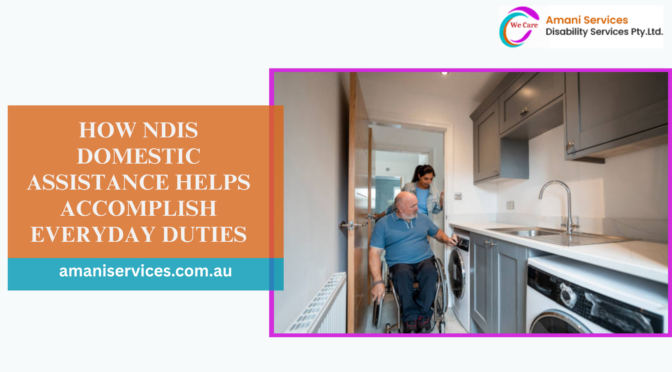
Managing everyday household tasks can become challenging when living with a disability. Activities like cleaning, meal preparation, laundry, shopping, and maintaining a safe home environment can quickly feel overwhelming. This is where NDIS domestic assistance becomes valuable. It offers practical support that helps participants maintain comfort, independence, and quality of life while continuing to engage in their communities.
For participants in Geelong and Tarneit, domestic assistance through the NDIS can provide personalised support tailored to individual goals and daily needs.
What Is NDIS Domestic Assistance?
NDIS domestic assistance refers to support services designed to help participants manage household responsibilities they may not be able to complete independently due to their disability. The aim is not simply to complete chores but to empower individuals to live more independently and confidently.
Domestic assistance may include:
- General house cleaning
- Laundry and ironing
- Meal planning and preparation
- Dishwashing
- Grocery shopping support
- Bed making and linen changes
- Organising living spaces
- Essential household maintenance support
Services are typically customised according to the participant’s plan, preferences, and goals.
Reducing Stress Around Daily Tasks
Household duties often pile up quickly. When everyday responsibilities become difficult, stress and frustration can increase. A cluttered environment may also impact emotional wellbeing and physical safety.
This is where NDIS domestic assistance in Tarneit and other regions comes in. It reduces the burden by ensuring essential tasks are managed regularly. Participants can focus more on work, education, hobbies, social connections, or health goals rather than worrying about unfinished household chores.
For many families in Geelong and Tarneit, this support also eases pressure on carers and loved ones.
Promoting Independence Rather Than Dependence
One common misconception is that domestic assistance creates reliance. In reality, quality support services encourage independence.
Support workers often help participants develop practical life skills such as:
- Learning meal preparation techniques
- Improving household organisation skills
- Creating cleaning routines
- Managing shopping lists and budgeting
- Building confidence with everyday activities
Over time, participants may become more involved in completing these tasks themselves.
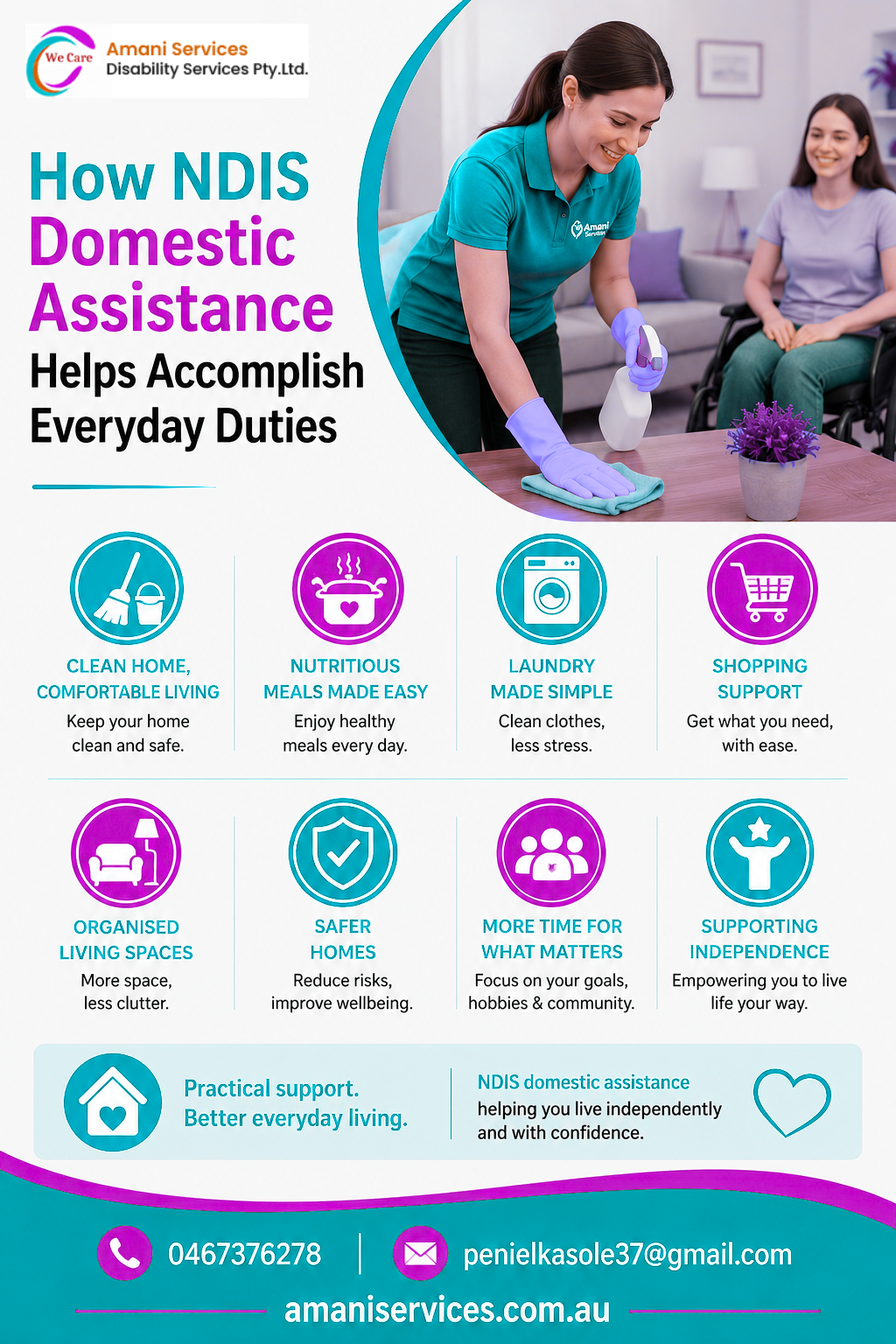
Improving Health and Safety at Home
A clean and organised home contributes significantly to overall wellbeing. Poor household conditions can increase risks associated with falls, infections, stress, and reduced mobility.
Regular domestic support helps maintain:
- Cleaner living environments
- Better hygiene standards
- Safer movement throughout the home
- Reduced risk of accidents
- Improved comfort and peace of mind
This is especially important for individuals with mobility limitations or chronic conditions.
Supporting Social and Community Participation
Daily household responsibilities can consume energy and time. By receiving support with NDIS domestic duties in Geelong and other surrounding regions, participants often gain greater freedom to engage with their communities.
This includes:
- Attending appointments
- Participating in community activities
- Pursuing employment or study opportunities
- Spending time with family and friends
- Exploring hobbies and recreational interests
Meaningful participation outside the home is often linked with improved confidence and emotional wellbeing.
Personalised Support That Matches Individual Goals
Every participant has unique needs. Effective NDIS domestic assistance focuses on person centred support rather than applying the same approach to everyone.
Some participants may require occasional assistance, while others may benefit from ongoing support several times a week. Services should align with individual goals outlined within the NDIS plan.
Choosing providers that understand local communities in Geelong and Tarneit can also improve continuity of care and responsiveness.
Conclusion
NDIS domestic assistance goes beyond helping with household chores. It supports independence, promotes safer living environments, reduces stress, and enables participants to spend more time pursuing meaningful goals. With the right support, everyday responsibilities become more manageable, allowing participants to focus on living fuller and more connected lives.
Get Assistance with Domestic Tasks
At Amani Services, we are committed to adding convenience to your life with our support with household tasks in Geelong and Tarneit. To schedule an appointment with us, call 0467376278 or email your details to penielkasole37@gmail.com, and we will connect with you.
Can NDIS domestic assistance include support with meal preparation for specialised dietary needs?
Yes, if your disability impacts your ability to prepare meals independently, support may extend to meal planning and preparation aligned with dietary requirements, depending on your NDIS plan.
Will receiving domestic assistance reduce opportunities to build independent living skills?
Not necessarily. Many support workers use a capacity-building approach, helping participants learn routines and practical skills rather than completing all tasks on their behalf.
Can domestic assistance funding be adjusted if my support needs change over time?
Changes in health, mobility, or living circumstances may justify a plan reassessment. Updated evidence can support adjustments to funding where additional assistance becomes necessary.
Is NDIS domestic assistance available for participants living with family members?
Yes, eligibility depends on the participant’s disability related needs rather than living arrangements. However, the NDIS considers typical household responsibilities expected from family members.
How can participants in Geelong or Tarneit choose the right domestic assistance provider?
Consider factors such as staff consistency, cultural understanding, communication practices, flexibility, local availability, and experience supporting participants with similar needs.
What happens if a participant needs both domestic assistance and Supported Independent Living (SIL)?
These supports can sometimes work together, but funding depends on individual circumstances, goals, and how each service addresses disability related needs.
Are cleaning products and household supplies included within NDIS domestic assistance services?
Usually, participants provide standard household supplies. However, arrangements vary between providers, so it is important to clarify this before services begin.
Can domestic assistance support participants transitioning from hospital to independent living?
Yes, domestic assistance may help maintain a safe and manageable home environment during recovery or adjustment periods, where linked to disability support needs.
How often should NDIS domestic assistance services be reviewed to ensure they remain effective?
Support frequency and tasks should be reviewed regularly, especially after life changes, new goals, mobility changes, or shifts in health and living arrangements.


